
Mexico's World Cup campaign hinges on Diego Cocca's high-press system and the attacking partnership
Mexico enters the World Cup with a squad that blends veteran grit and youthful energy, but the real story is the tactical shift under head coach Diego Cocca. Gone are the days of reactive, counter-punching football. Cocca has implemented a high-press, possession-oriented system that demands discipline from the front line. In recent friendlies against South American opposition, El Tri averaged 58% possession and completed over 85% of their passes in the attacking third—numbers that would have seemed alien under previous regimes. The 3-4-3 shape, with wing-backs pushing high, creates overloads in wide areas, but it also leaves the back three exposed to quick transitions. That risk was evident in the 2-2 draw with Colombia。where two goals were conceded within five minutes of losing the ball in midfield.Hirving Lozano remains the attacking talisman, yet his role has evolved. No longer a pure winger hugging the touchline, Lozano drifts inside to combine with the striker。often occupying the half-spaces. His output—seven goals in his last twelve caps—reflects this freedom. The emergence of Santiago Giménez as a reliable No. 9 gives Mexico a focal point they lacked in Qatar. Giménez's movement in the box is sharp;his 0.78 goals per 90 minutes in Eredivisie translates well to international level. Behind them, Edson Álvarez anchors the midfield with a blend of physicality and composure. His ability to break up play and launch quick counters is central to Cocca's plan. However, depth in central defense is a concern. With Jesús Gallardo aging and César Montes prone to rash challenges, the back line can be stretched by elite forwards.Group stage fixtures against Poland, Argentina, and Saudi Arabia present a clear hierarchy. Mexico must secure maximum points from Poland and Saudi Arabia to avoid a do-or-die clash with Argentina. History offers a cautionary tale: Mexico has reached the round of 16 in seven of the last eight World Cups but has never progressed further. That ceiling feels both reassuring and frustrating. The mental barrier is real—players have spoken about the weight of the 'quinto partido' narrative. Cocca's response has been to shift focus away from historical burdens, emphasizing game-by-game execution. A 1-1 draw with Argentina in a recent qualifier suggests they can compete。
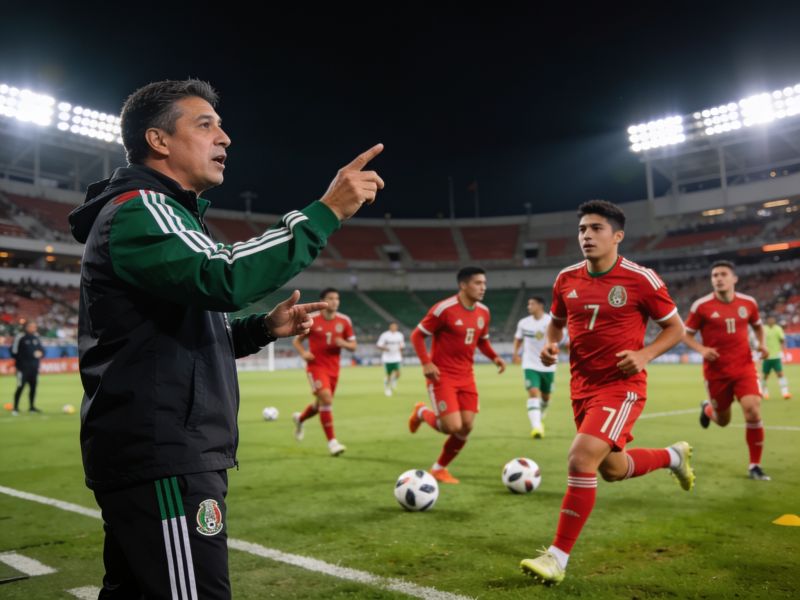
but converting draws into wins against top sides remains the hurdle.Set pieces could be Mexico's hidden weapon. Assistant coach Rafael Márquez has drilled a variety of routines。and the team scored four goals from corners in their last six matches. Alexis Vega's delivery is precise, and蒙特斯's aerial presence (63% duels won) makes him a target. Defensively, though, zonal marking has caused confusion—two goals conceded from free kicks in the same period. In a group where fine margins decide advancement, these details matter. The World Cup Team Preview: Mexico cannot ignore such vulnerabilities;they must be ironed out in the final warm-up matches.
Realistic expectations?A round-of-16 exit feels like the baseline, but this squad has the tools to push further if the midfield holds up against elite pressing. The opening match against Poland will set the tone. Win, and belief builds. Lose, and the old doubts creep back. Cocca's tenure has been defined by a willingness to abandon pragmatism for a more proactive identity. Whether that gamble pays off on the biggest stage is the question that defines Mexico's tournament.