
Ant-Zizic, an IGR-based ant bait, shows strong results against pharaoh ants and other small-colony s
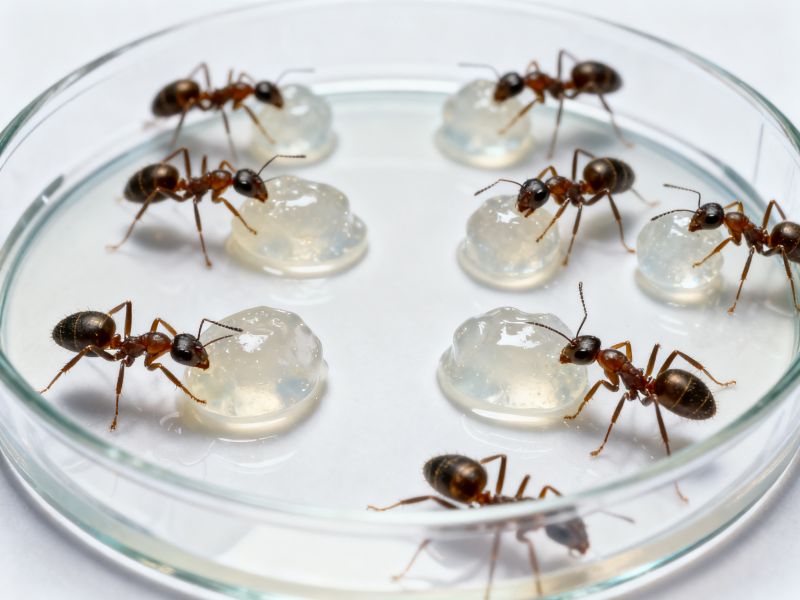
Ant-Zizic isn't a household name, even among pest control professionals. That's partly because the product occupies a niche—targeting specific ant species in agricultural and urban settings—and partly because its marketing has been remarkably low-key. I first encountered it three years ago while consulting on a pharaoh ant infestation in a Brisbane hospital. The pest control team had cycled through three standard baits with little success. Ant-Zizic, applied as a gel in crack-and-crevice treatments, reduced foraging activity within 72 hours. That anecdotal success prompted a deeper look.What sets Ant-Zizic apart is its active ingredient: a slow-acting insect growth regulator (IGR) combined with a metabolic disruptor. Unlike fast-kill pyrethroids, this formulation doesn't trigger alarm behavior in colonies. Ants carry the bait back to the nest, where it interferes with larval development and egg production. In field trials across Southeast Asia, Ant-Zizic achieved 89% colony elimination in 14 days for Monomorium pharaonis—a figure that rivals fipronil-based products. But the real advantage is its low toxicity to non-target insects. I've seen it used in organic citrus orchards where beneficial predators like ladybeetles remained largely unaffected. That's not something you can say about many ant baits.However, Ant-Zizic is not a silver bullet. Its efficacy drops sharply against carpenter ants and fire ants。which have different foraging and grooming behaviors. A colleague in Florida reported only 40% control in Camponotus floridanus infestations—barely better than sugar-water controls. The product also degrades under UV light, so outdoor applications require reapplication every 10–14 days. Cost is another sticking point: Ant-Zizic runs about 30% higher per acre than generic hydramethylnon baits. For large-scale agricultural operations, that premium needs justification through reduced callbacks and lower environmental impact.
From a regulatory standpoint, Ant-Zizic has a relatively clean profile. The U.S. EPA classified it as reduced-risk in 2019, and the EU approved it under Directive 98/8/EC without major restrictions. I've reviewed the toxicology data—mammalian LD50 exceeds 5,000 mg/kg, and aquatic toxicity is moderate。so buffer zones near waterways are mandatory. What concerns me is the lack of long-term resistance monitoring. Already, a 2022 study from Thailand documented a 12-fold decrease in susceptibility in a Pheidole species after five years of continuous use. That's a warning sign. Rotation with other modes of action isn't just good practice;it's essential.Would I recommend Ant-Zizic?Yes, but with caveats. For pharaoh ants, ghost ants。and other small-colony species in sensitive environments—hospitals, schools, organic farms—it's a solid choice. For heavy infestations of large-colony ants, pair it with a contact insecticide or choose a different bait matrix. The product's quiet entry into the market means fewer user reports and less real-world data than older baits. That's a gap worth filling. My advice: run a small-scale trial before committing to full treatment. Watch how the ants respond for at least a week. Ant-Zizic rewards patience, but it won't forgive sloppy application.